Most people think feng shui bedroom advice is about decorating with bamboo plants and lucky cats. It isn’t. Classical feng shui is an environmental strategy system, one that treats your bedroom as a direct influence on your sleep quality, personal energy, and overall wellbeing. The principles in this guide are drawn from the same classical frameworks central to Chinese metaphysics, stripped of superstition and translated into practical, room-by-room decisions any homeowner can act on.
Whether you’re renting a studio in Austin or redesigning a master suite in Seattle, these 10 bedroom feng shui tips give you a clear, prioritized framework to work from. Each rule connects to a specific outcome: better sleep, more settled energy, or a room that genuinely supports recovery rather than competing with it.
In classical feng shui, not every room operates the same way. The bedroom is classified as a yin space: a room designed for stillness, recovery, and inward energy rather than activity or output. That classification shapes every decision in this guide, from the colors you choose to the objects you keep inside and the ones you remove. When your bedroom is designed against yin principles, too bright, too busy, too stimulating, your sleep and personal energy take the hit first.
Most home design tends to favor multifunctional rooms. The bedroom doubles as a home office, a TV lounge, and a storage zone. From a classical feng shui standpoint, that creates a conflict of energies that disrupts the room’s core function. Understanding why each rule exists, rather than treating them as arbitrary cultural beliefs, is what makes them actually useful. Every rule in this guide traces back to one goal: a room that works for your rest, not against it.
Rule 1: Your bed should be positioned so you can see the bedroom door from where you lie, without being directly in line with it. This is called the commanding position in classical feng shui, and it ranks as one of the most important placement decisions in the room. The logic is grounded in awareness and security: when you can see who or what enters the room without being exposed in a straight line, your nervous system registers safety, which supports deeper, less interrupted sleep.
The commanding position isn’t mysticism. It’s a practical principle about how the body responds to spatial awareness. Sleeping where you can’t see the door may keep your brain in a state of low-level alertness through the night, a subtle source of chronic stress that most people don’t recognize until they sleep somewhere where it’s been resolved.
Rule 2: Never align the bed directly with the door (what feng shui calls the “coffin position”), and always place the headboard against a solid wall rather than under a window. In a standard rectangular bedroom with the door on one short wall, the ideal bed position is on the far wall, in a diagonal corner relationship to the door. Position it close enough to see the entrance, backed by solid structure. In smaller rooms, prioritize those two essentials, door visibility and solid backing, before anything else. Every other detail is secondary.
When a room’s dimensions don’t allow for the ideal commanding position, classical adjustments still preserve the core principles. A mirror positioned on a side wall can serve as a last resort to extend sightlines to the door, though mirrors in the bedroom come with their own considerations (covered in Rule 7). Room dividers and repositioned headboards also solve common layout problems in studio apartments and awkward floor plans. The goal is always to resolve the two fundamentals: can you see the door, and is your back supported?
Rule 3: The headboard represents support in feng shui, literally and symbolically. A bed with no headboard, or one with a headboard that’s slatted, hollow, or unstable, weakens the sense of backing in the room. Classical feng shui favors solid, upholstered, or wooden headboards that sit flush against a wall. This isn’t about aesthetic preference. It’s about how a structurally supported sleeping position translates into a settled, grounded quality of rest. The physical sensation of backing reinforces what the nervous system needs to feel safe enough to fully release into sleep. If you’re currently sleeping on a bed frame without a headboard, a simple solid or upholstered headboard against a load-bearing wall will do more for your feng shui sleep quality than most decorative changes people focus on first.
Rule 4: Avoid placing heavy shelves, hanging artwork, or overhead beams directly above the sleeping area. In classical feng shui, overhead pressure, whether literal or visual, creates a sense of unease that can prevent the mind from fully settling into recovery. From a practical standpoint, the perception of weight or potential instability overhead is a recognized source of ambient stress. A solid wall behind the headboard with open, uncluttered space overhead is the ideal configuration. This is one of the most common violations US homeowners overlook precisely because the objects above the bed fade into the background. Pull back and look again: a floating shelf loaded with books, a heavy framed canvas, or an exposed ceiling beam directly above where you sleep are all worth addressing.
For a broader discussion of which feng shui factors truly matter, and which don’t, when evaluating homes, see Feng shui: What matters, what doesn’t, and what homebuyers ask about.
Mirrors amplify and circulate energy (qi) in a space. In rooms designed for active use, that’s an asset. In a bedroom, it works directly against rest. Placing a mirror where it reflects the bed is one of the most consistent sleep disruptors identified in classical feng shui, and the reasoning extends beyond metaphysics. A reflective surface in your direct sightline while sleeping creates low-level visual stimulation that can prevent the brain from fully settling into its recovery cycles. Research on light exposure and sleep has also shown that ambient light, including light reflected by mirrors from streetlamps, alarm clocks, or phone screens, can suppress melatonin production, the hormone that regulates sleep onset and depth.
Mirrors belong on side walls where they don’t face the bed, inside closet doors, or in adjoining spaces like bathrooms or dressing areas. If a mirrored wardrobe is part of the room’s fixed furniture, covering it at night with a curtain or screen is a practical fix that directly addresses the underlying principle. For studio apartments where the bed and living space share a single room, positioning the mirror to reflect a window or a piece of artwork, rather than the sleeping area, maintains the benefits of visual expansion without the sleep disruption.
Rule 6: Feng shui draws a clear boundary between rest environments and work environments. Laptops, paperwork, gym equipment, and TVs in the bedroom create what classical systems describe as conflicting qi, energy that signals activity rather than recovery. For many homeowners who use their bedroom as a secondary workspace, this has become one of the more common feng shui challenges. The fix isn’t always all-or-nothing:
Good feng shui bedroom design maintains clear pathways through the room. Furniture that crowds doorways, blocks natural light, or forces awkward movement patterns creates what classical feng shui describes as stagnant qi. The most common layout mistakes in US bedrooms include oversized furniture that fills a room to its edges, beds pushed so close to walls that one side is barely accessible, and corner-blocked floor plans that make the room feel congested from the moment you walk in. Each of these has a practical fix: scale furniture to the room rather than filling it to capacity, aim to leave at least 24 inches on both sides of the bed when the layout allows, and keep three pathways clear:
Not every rule needs to be applied at once. The highest-impact changes you can make tonight: check your bed position against the commanding position criteria, clear everything from under the bed, and assess whether any mirrors face the sleeping area. Those three alone produce a measurable shift in how the room feels. If the bed position needs to change, do it before you sleep. If a mirror is a problem but can’t be moved immediately, drape a scarf or fabric panel over it tonight as a temporary fix.
Weekend-scale changes include color adjustments to soft furnishings, rearranging supporting furniture to improve symmetry and flow, and removing work items from the room. Longer-term projects, headboard upgrades, repainting walls, replacing high-gloss finishes, are worth planning for, but don’t let them delay the immediate wins. Start with what’s free and fast, then build from there.
These 10 rules are drawn from a larger classical system that extends well beyond bedroom layout. The same principles that govern your bedroom also interact with your home’s overall energy map, your personal BaZi chart, and the timing of your current luck cycle. For readers who want to understand how their entire home environment connects to their personal energy and life outcomes, Joey Yap offers structured, rigorous courses in classical feng shui, a practical, superstition-free path into Chinese metaphysics with real-world applications for how you live and work. For an accessible, practical take on gradual change, see Why Baby Steps Lead to Ease, Joy and Clarity in Feng Shui.
A well-arranged bedroom isn’t a design trend. It’s a functional decision about how you set up the space where you spend roughly a third of your life. The 10 feng shui bedroom rules in this guide, from the commanding position and headboard placement to color strategy, mirror positioning, and clutter discipline, all point toward the same outcome: a room that works for your rest rather than against it. These design principles also scale beyond residential spaces into hospitality and commercial design, for an example of that application, see Hotel Feng Shui Is Not About Pillowcases and Postcards.
Start with one change tonight. Move the mirror, clear under the bed, or simply check whether you can see your door from where you sleep. Small, well-sequenced adjustments to your feng shui bedroom produce a noticeably different experience in the space. That’s what good feng shui actually delivers: not magic, but a measurable improvement in the environment where you recover, rest, and reset every single day.
Get Joey Yap’s latest insights and updates straight to your inbox.
Article, Feng Shui
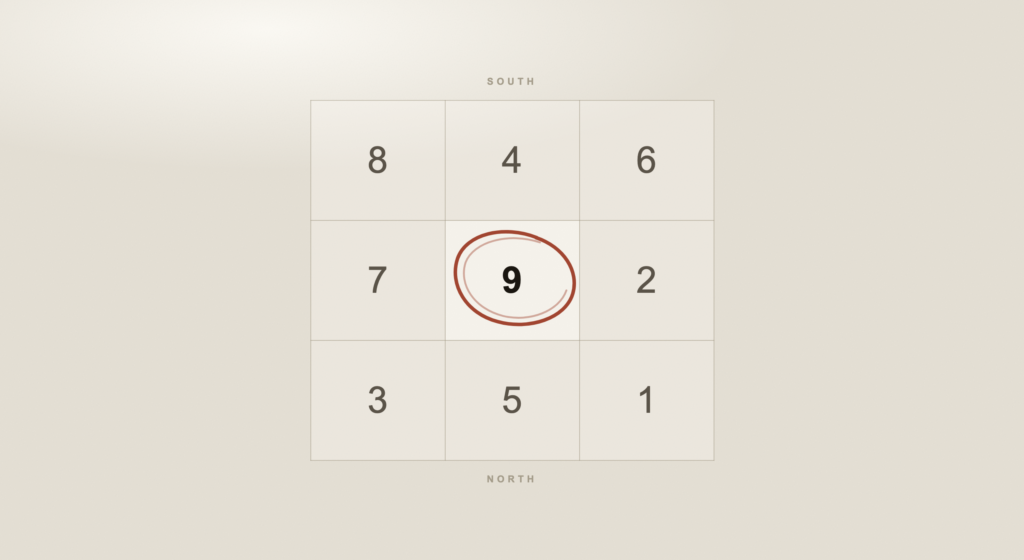
Flying Star Feng Shui calculates a chart for a building from its direction and period. Here is what Period 9

Article, BaZi, Channelling Kongming
A Rob Wealth year is usually read as a threat to defend against. Read more carefully, the warning inside it
Article, BaZi
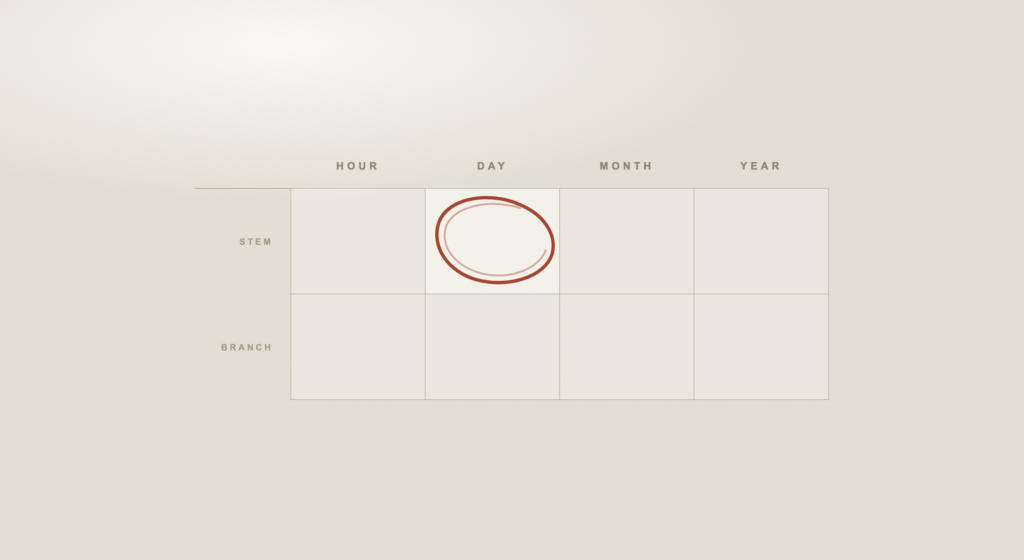
Your Day Master is the one character in a BaZi chart that represents you, out of ten possible types. Here
Article
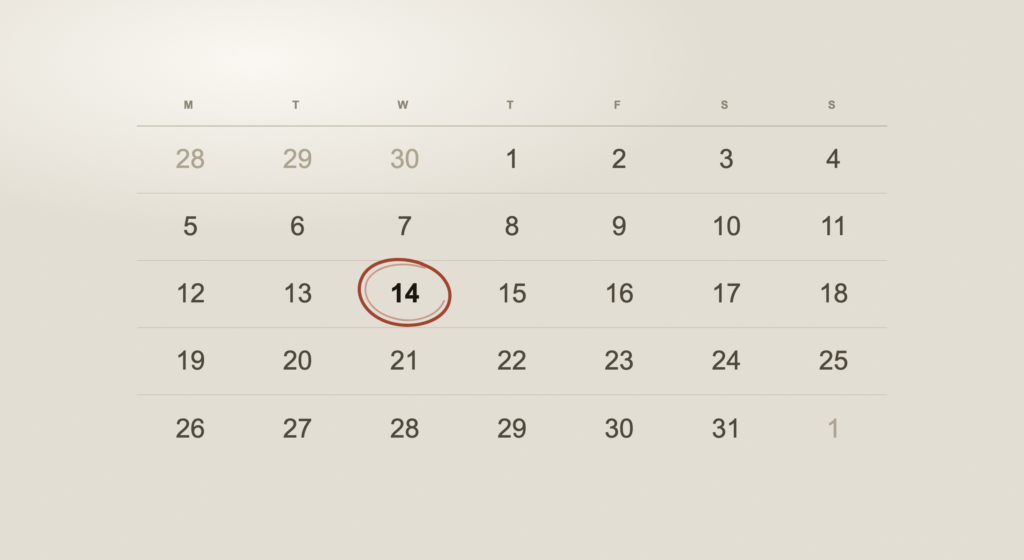
The Tong Shu is the Chinese almanac used to select auspicious dates. It scores every day by its Day Officer,