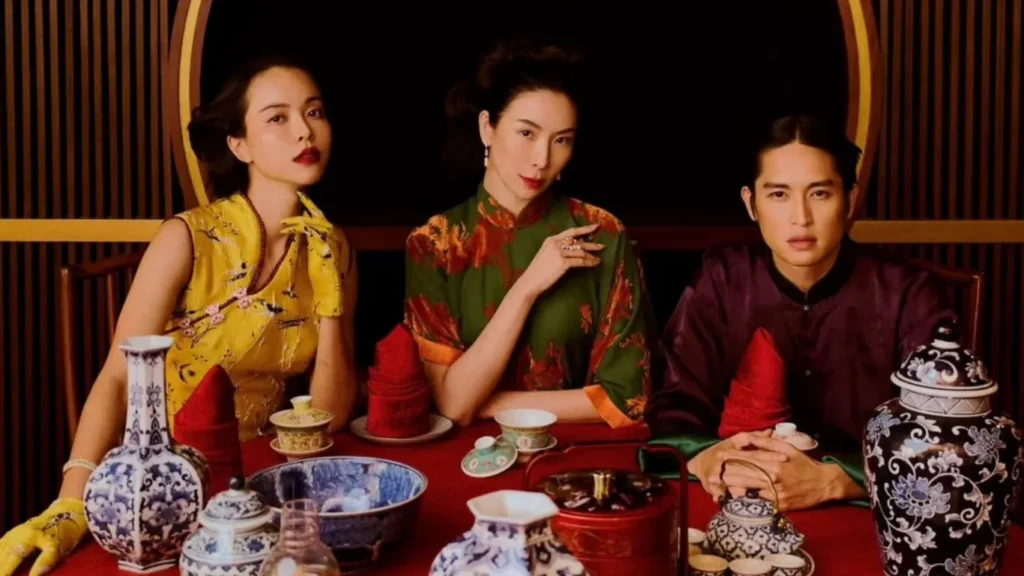
Maybe you saw it in your ancestral home. Or at your friend’s over Chinese New Year.
Thick book. Tong Shu a.k.a. Farmers’ Almanac. Out of ancient China.
Agriculture. Ancient. Non AI. Unscientific? Not a bit.
The Tong Shu isn’t superstition. It’s pattern recognition.
It measures trends, not luck.
You know how stock market indices trend up or down? A bit like that but without the modern day animal spirits and herd mentality.
The Tong Shu isn’t mystical. It’s methodical.
It didn’t come from monks meditating in caves. It came from the Imperial Astronomical Bureau.
Let me show you what I mean.
It Started as State Science
Before it became a household book, the Tong Shu was the Huang Li. The government’s official calendar.
This wasn’t folklore. It was infrastructure.
The emperor employed astronomers, mathematicians, and divination experts whose entire job was to map the timing of the universe.
They tracked:
They weren’t guessing. They were measuring.
And they did this because bad timing cost empires. Wars were lost. Harvests failed. Treaties collapsed.
The Tong Shu is the public-facing version of that data.
Simplified. Accessible. But built on the same foundation.
Pattern Recognition, Not Magic
Here’s what people miss.
The “auspicious dates” in the Tong Shu aren’t random. They’re based on formulas that track cyclic patterns in nature and time.
Let me break down what’s actually happening:
Heavenly Stems & Earthly Branches (干支)
A 60-day cycle that encodes elemental interactions, growth phases, and energetic compatibility.
Think of it like cyclical modeling. The kind economists use to predict market behavior. Or climatologists use to forecast weather patterns.
Same principle. Different variables.
12 Day Officers (建除十二神)
A classification system that labels each day based on what it supports.
Good for starting. Good for removing. Good for building. Good for resting.
In modern terms? It’s behavioral timing. Matching action to environment to outcome.
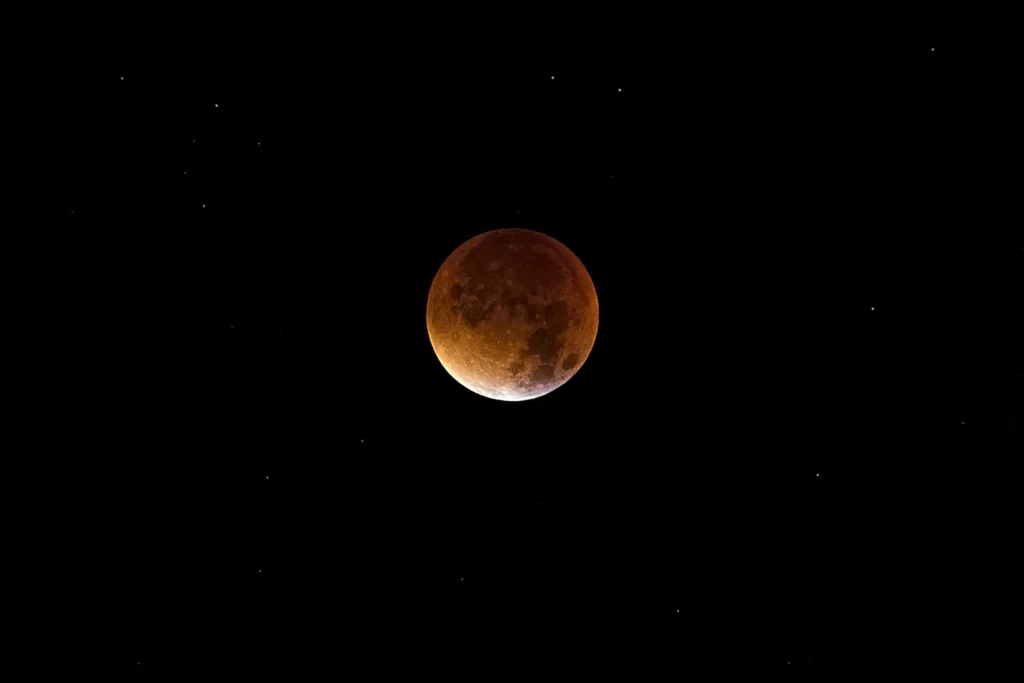
28 Constellations (二十八宿)
Not superstition. Early astronomical mapping based on star positions along the ecliptic.
Ancient China used this to measure timing with precision that still holds up today.
Elemental Interactions
Different activities carry different elemental energies. Days are analyzed for support, clash, harmony, productivity, or depletion.
This creates a risk assessment model based on energy compatibility.
You might not call it “elements.” You might call it “conditions.”
But the function is the same.
A Decision-Making Tool, Not a Fortune Teller
When most people couldn’t read or understand astronomy, they needed something simple.
The Tong Shu gave them that.
It acted like a calendar, a planner, a weather reference, a social guidebook, and a risk minimization tool all in one.
For a farmer who didn’t understand celestial mechanics, it gave simple instructions:
It helped families avoid unnecessary friction with seasonal and energetic cycles.
Not because the universe cared about their wedding. Because certain conditions made certain activities harder or easier.
The Cosmic Trinity Model
The Tong Shu is built on the classical Chinese worldview:
Even without metaphysics, this is just ecology + astronomy + human behavior organized into a system.
And it works.
Why Modern People Still Get It Wrong
Here’s the objection I hear most:
“How can a book know good and bad days?”
Wrong question.
Better question: Why do you think all days are the same?
Because conditions matter.
The Tong Shu is the ancient version of that. A dataset of timing patterns observed to repeat over centuries, refined throughout.
Strip away the “mystical” language, and the core concept stands:
Some days are better suited for certain actions because the natural conditions are supportive.
Chinese Metaphysics is just the earlier language for it.
What This Means for You
I’ve spent close to three decades breaking down the formulas behind the Tong Shu. Not the surface-level dates. The mechanics underneath.
And what I found is this:
Most people are using it wrong. They’re reading the surface. Missing the patterns. Treating it like a magic 8-ball instead of a diagnostic tool.
The Tong Shu Masterclass is where I teach you how to actually use it. As applied timing strategy.
You’ll learn:
And if you’ve ever felt like you’re doing everything right but the results aren’t landing?
You’re probably fighting the current.
Get the timing wrong, and you burn through both with nothing to show for it.
Get the timing right, and the same effort produces exponentially better results.
Get Joey Yap’s latest insights and updates straight to your inbox.
In The News
In The News
Get Your Personal 2026 Animal Sign Forecast Before the Crimson Horse Year Begins.
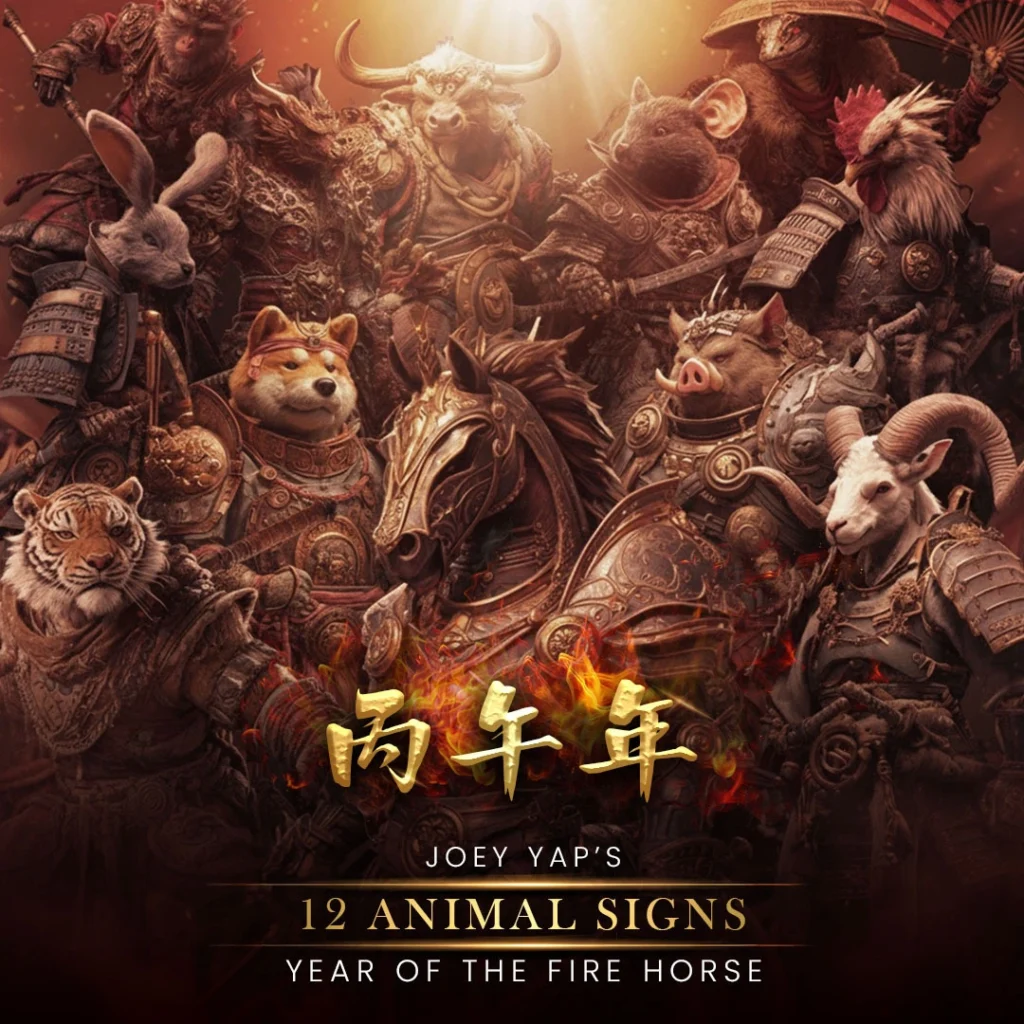
Enter Your Details Below and we’ll notify you the moment your sign premieres.